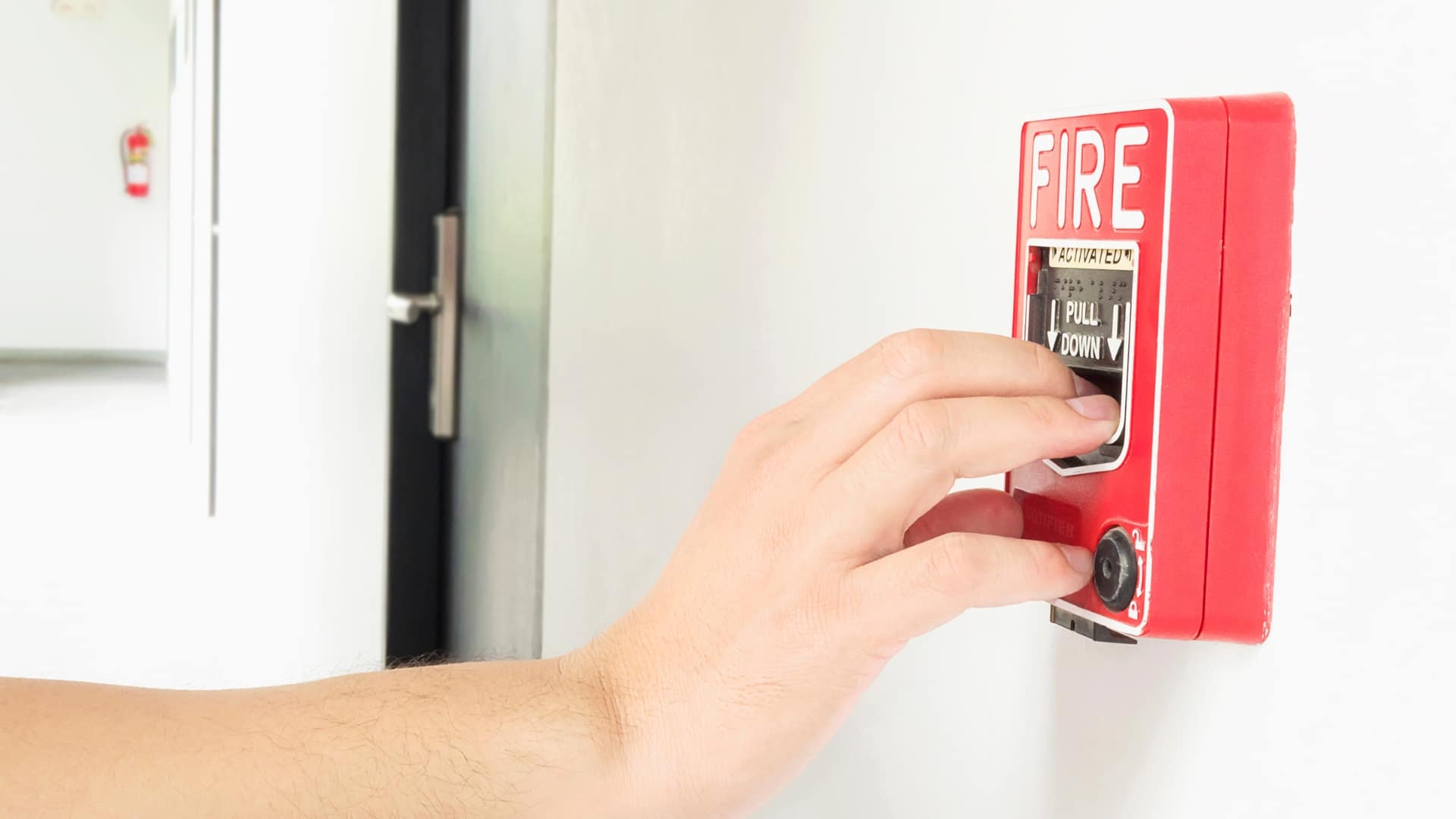
The winter is the most common time for house fires. From greater heating needs to more time spent indoors, the risk of an inadvertent fire rises. In our own Metro Vancouver co-op community, two co-ops recently experienced fires and a third had a very close call.Over eighty percent of house fires are accidental. Prevention is everyone’s responsibility – both on the organization and the individual level.“Fire safety is everyone’s responsibility,” says Michelle Cooper‑Iversen, CHF BC Chief Operating Officer. “Co‑ops are uniquely positioned to reduce risk through shared accountability—by supporting regular unit inspections, addressing maintenance issues early, and encouraging neighbours to watch out for one another.”We’ve prepared some quick tips on fire safety and prevention, gathered from Vancouver Fire Rescue Services, to help you keep yourself, your neighbours, and you co-op homes safe.Prepare for the most common risksEvery day objects can be some of the most common causes of preventable fires, but risks can be mitigated with simple precautions.Electrical Hazards
Conduct regular inspections of electrical wiring and use licensed professionals for all installations, upgrades, and repairs.
Regularly check electrical cords for damage and replace immediately.
Avoid overloading outlets and extension cords.
Cooking Accidents
Never leave cooking unattended – most kitchen fires can be put out quickly, but only if someone is ready to act immediately.
Keep flammable objects like towels away from stove tops.
Keep a 1 metre space between portable heaters and anything flammable. Regularly wipe them down for dust and inspect cords for damage. Ensure they are plugged into an appropriate outlet and don’t overload the extension cords or power bars.
Candles
Never leave a burning candle unattended.
Burn candles for a maximum of four hours at a time.
Never light candles near anything that could catch – be especially mindful of curtains, dried flowers, or other decorative items.
Consider flameless options – especially if you find yourself nodding off in the evenings or have young children or pets who may knock them over.
Smoking
Smoke outside and ensure cigarettes are fully put out and disposed of appropriately.
Avoid smoking in bed or when drowsy – it only takes a second for bedding or upholstery to ignite.
Prepare Your Co-opWhile individual safety precautions are important, co-op boards also have an important role to play in fire prevention and safety.
Consider fire-resistant doors, windows, and roofing when considering maintenance or upgrades.
Have fire detection and sprinkler systems inspected regularly by a professional. Adress any issues immediately.
Consider making fire extinguishers available in common areas and offer residents training on effective usage.
Ensure residents know multiple evacuation routes, both from their homes and from common areas. Consider organizing a fire drill – they can be fun and informative.
If your co-op includes seniors, people with accessibility considerations (including hearing loss) or those who may need extra help in an emergency, consider options to support them, like a check-in from a neighbour or adaptive alarms.
If you believe co-op residents may be struggling with health conditions that could impact their ability to follow fire safety guidelines, like hoarding or dementia, encourage them, or their families to seek support.
When we all work together, we can help keep our co-op communities healthy, safe, and thriving.